Why Do Some Business Websites Rank While Others Stay Invisible on Google?
You ever notice how some businesses always seem to show up right at the top when you search? Their name is there, front and centre, every single time.
Then you look for your own business and it is like playing hide and seek. Except you are the one hiding and nobody is looking.
It can drive you crazy. You have a good website. You have good services. So why does Google act like you do not exist?
I have been there. Lots of business owners have been there. And after digging into it, I figured out it is not random. There are real reasons some sites get seen and others do not.
Let me walk you through what I learned
The Search Landscape Has Changed
Before we get into the details, you need to understand something important.
Search in 2026 is not what it was five years ago. Google now shows AI Overviews, AI Mode, and other top 10 SEO features that blend instant answers with traditional listings. People still click through to websites, but only if those websites demonstrate real value.
The old tricks do not work anymore. Keyword stuffing, thin content, buying cheap links. All of that gets your site buried, not boosted.
What works now is building a site that Google trusts. And trust comes from a set of factors that the search engines use to evaluate every page on the internet.
The Foundation: A Crawlable, Indexable Website
Here is the most basic truth. If Google cannot find your site, it cannot rank your site.
Search engines use automated software called crawlers or spiders to visit web pages, read them, and add them to their index. If your site blocks those crawlers, or makes it hard for them to navigate, your content stays invisible.
This means your site needs a few technical basics in place.
First, your URLs should be clean and readable. Not a jumble of numbers and symbols. Something like yourbusiness.com/services, not yourbusiness.com/page?id=3847&ref=footer .
Second, you need a proper internal linking structure. Pages that matter most should be easy to reach from your homepage. Not buried five clicks deep where nobody finds them.
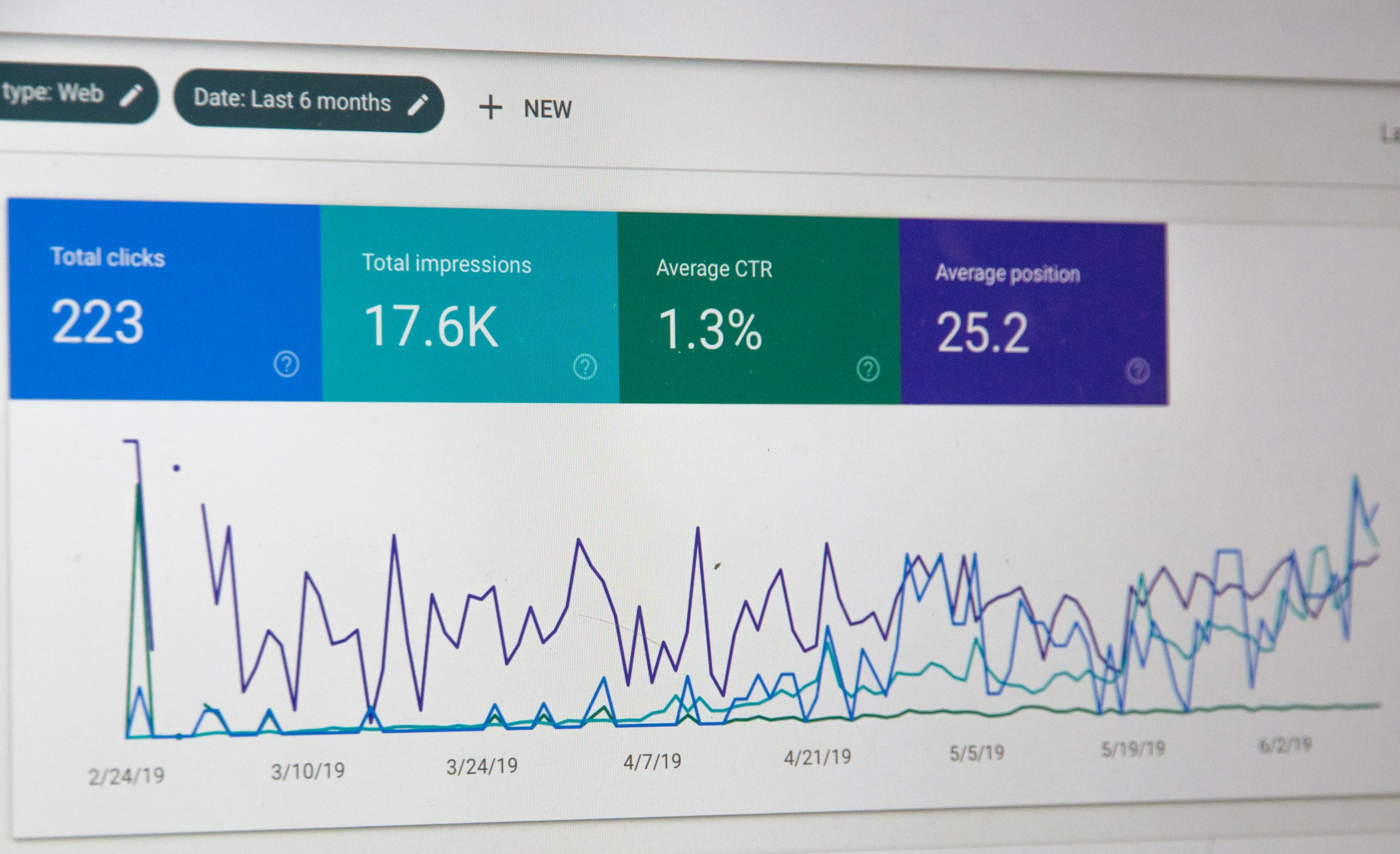
Third, your XML sitemap should be submitted to Google Search Console. This is like giving Google a map of your site, telling it which pages matter and how often they change.
Fourth, avoid blocking important files. Some sites accidentally block CSS and JavaScript in their robots.txt file. That means Google cannot see your pages the way users do, and your rankings suffer.
If these technical foundations are shaky, nothing else matters. Your content sits in the dark.
Speed Is a Big Deal
Nobody likes waiting around for a slow website.
If your site takes too long to load, people leave. And when people leave fast, Google notices. It assumes your site did not give them what they wanted.
Things that slow sites down.
Big photos that are not squashed down. Too many fancy add-ons. Cheap hosting. Ads that load before your actual content.
Test your site yourself. Does it feel snappy or does it drag? If it feels slow, visitors feel it too.
Phones Are How Most People Search Now
This one catches a lot of people out.
Most searches these days happen on phones. Not computers. Phones.
Google knows this. So they use the phone version of your site to decide where to rank you. If your site is hard to use on a phone, your rankings will drop.
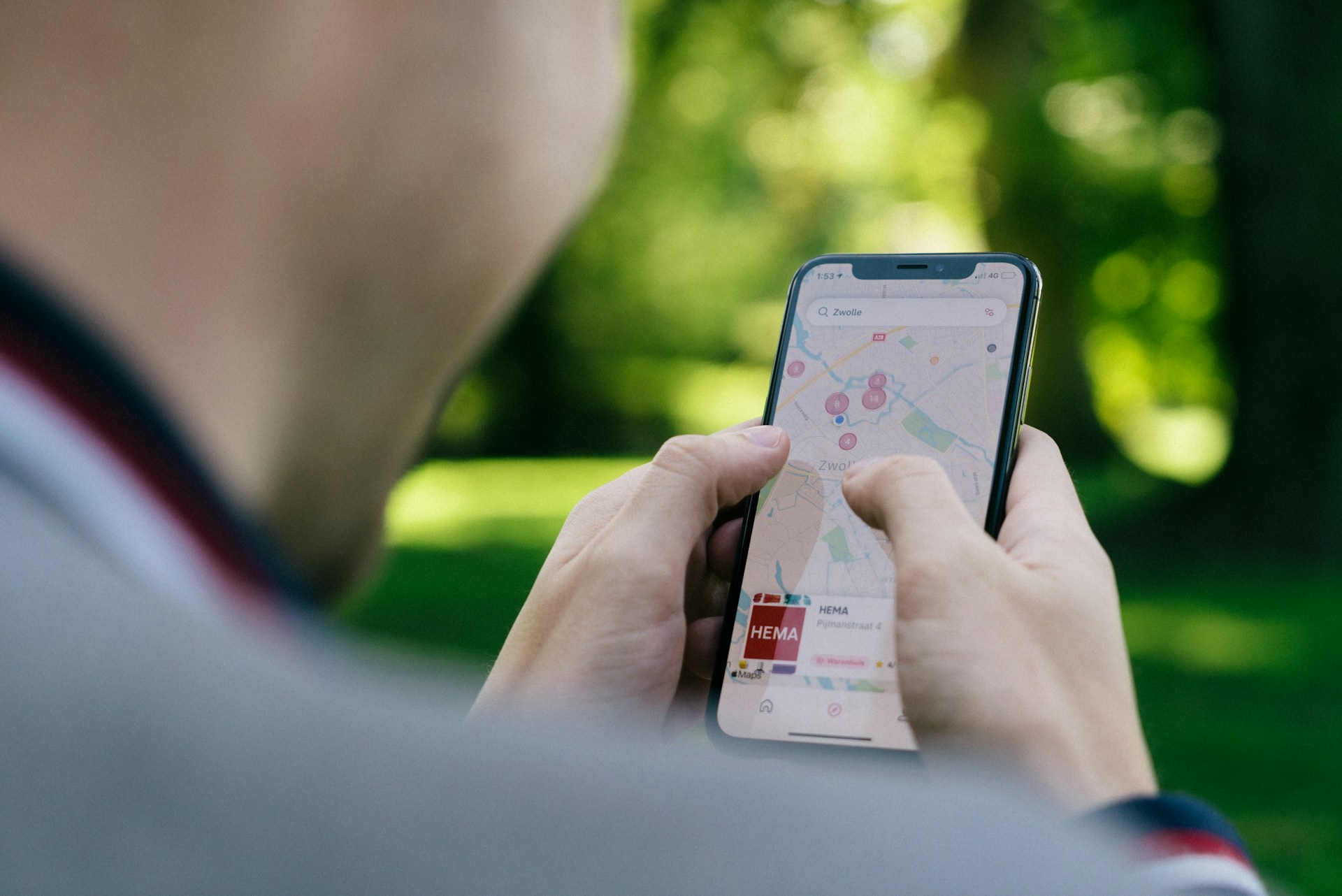
Pull out your phone right now and look at your site. Can you read the text without pinching and zooming? Are the buttons big enough to tap with your thumb? If not, that is a problem.
Content Needs to Actually Help People
Here is where things get real.
Google is getting better at spotting content written just to rank versus content written to help people.
They look for signs that you know what you are talking about. Real experience. Real expertise.
If you are a plumber, write about plumbing problems you have actually fixed. Share photos of real jobs. Tell stories about tricky situations you ran into. That stuff matters.
If you are a roofer, talk about roofs you have worked on. What went wrong. How you fixed it. What you learned.
Thin content that just scratches the surface does not cut it anymore. Google wants depth. They want proof you have been there and done that.
If you serve customers in a specific area, local SEO matters enormously.
Google Business Profile is the centerpiece of local visibility. This free listing controls how you appear in Maps and in the local pack of results at the top of searches.
A fully optimized profile includes accurate categories, current hours, real photos, regular posts, and prompt responses to reviews.
Reviews themselves are powerful signals. Fresh, detailed reviews from real customers help Google trust your business. Responding to all reviews, both positive and negative, shows you are engaged.
Your name, address, and phone number need to be consistent everywhere online. Not just your website, but directories, social media, anywhere your business appears. Inconsistencies confuse Google and hurt your visibility.
If your local pack rankings have dropped recently, you are not alone. Google’s 2025 spam updates cleaned up map results significantly. Fake reviews, keyword-stuffed business names, and inaccurate addresses are being filtered out aggressively.
Links Still Matter
Despite all the changes, links remain a major ranking factor.
But not just any links. Quality matters more than quantity.
A few links from reputable local organizations, industry associations, or news sites are worth more than hundreds of cheap directory links.
The best way to earn links is to create content worth linking to. Local guides. Industry insights. Case studies. Resources that people naturally want to reference.
You can also build relationships through sponsoring events, joining business associations, or partnering with complementary businesses. These relationships often lead to natural link opportunities.
How People Use Your Site Tells Google a Lot
If someone clicks on your site and immediately hits the back button, Google notices. It thinks your page did not deliver what they wanted.
If they stick around, read, click through to other pages, that is a good sign. Google notices that too.
This means your headlines need to match your content. If your title promises one thing, the page needs to deliver that thing. Not just try to sell something.
Common Mistakes That Keep Sites Invisible
Let me save you some frustration. Here is what not to do.
Ignoring technical basics. If Google cannot crawl your site, nothing else matters. Fix the plumbing before you paint the walls.
Thin content. A paragraph per page is not enough. Google needs to understand what you offer and why you are qualified.
Duplicate content. Copying product descriptions from manufacturers or reusing the same text across multiple pages confuses Google and dilutes your authority.
No clear contact information. If users cannot figure out how to reach you, Google wonders if you are real.
Inconsistent business details. Different phone numbers or addresses across the web hurt your trust signals.
Ignoring mobile users. If your site is painful on a phone, half your potential customers will never see you.
Stopping. SEO is not a set-it-and-forget-it thing. Sites that stay visible get regular attention. New content. Updated information. Fresh reviews.
Yeah, you do. Google just likes it better when you have a website. Gives you more places to show up when people search. Plus, customers expect one. Even a simple site with your photo and phone number helps.
You can handle the basics. Fix your Google Business Profile. Write helpful content. Make sure your site works on phones. If you have money, pros can help. But anyone can do the fundamentals.